How to Build a Marketing Plan for a Business
When Marketing Planning Actually Makes Sense
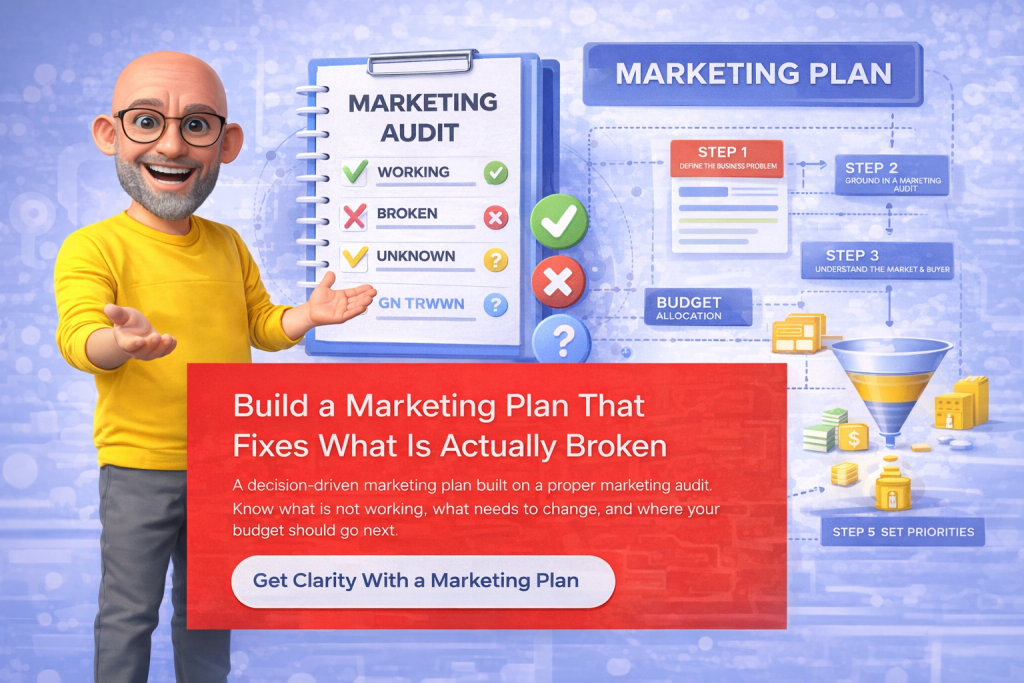
Many businesses struggle to build a marketing plan because they skip an important first step: a marketing audit. Without reviewing what is actually happening in their marketing, companies often jump straight into tactics, campaigns, and ideas. As a result, the plan is based on assumptions rather than evidence.
A good marketing plan should answer three simple questions: what is not working, what needs to change, and where marketing effort should go next. A marketing audit helps uncover those answers and provides the foundation for building a clear and effective marketing plan.
The Steps Below Show How to Build a Marketing Plan for a Business in the Correct Order
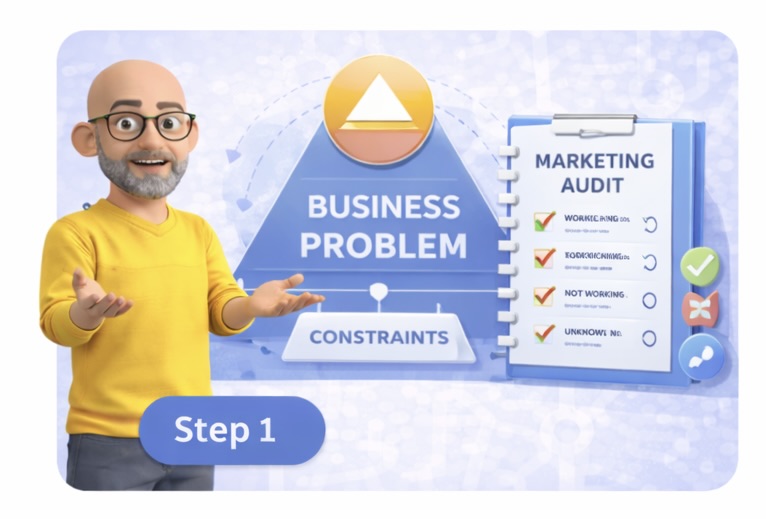
Step 1: Define the Business Problem the Marketing Plan Must Solve
Before creating a marketing plan, the business needs to clearly define the problem marketing is expected to solve.
This could include:
declining leads or sales
low awareness in the market
poor conversion from marketing activities
inefficient marketing spending
A marketing plan should not simply list activities. It should be built around solving a specific business problem.
When the problem is clearly defined, the rest of the marketing plan becomes much easier to structure.

Step 2: Ground the Marketing Plan in Reality Using a Marketing Audit
Before planning future actions, you need to understand what is happening now.
A marketing audit helps establish:
- What is working
- What looks busy but delivers no value
- Where performance data cannot be trusted
- What issues are structural, not tactical
Without this baseline, planning becomes guesswork. The audit exists to replace assumptions with evidence, so the plan is built on what is actually happening, not what people hope is happening.
Step 3: Use the Audit to Understand the Market, the Buyer's Behaviour, and the Competitive Context
The audit should provide insight into the market environment and the customers the business wants to reach.
This includes understanding:
the customer problem the business is trying to solve
the product or service being offered
the value proposition — why customers should choose this solution instead of alternatives
the competitive environment
By examining these factors, the audit helps ensure the marketing plan is grounded in real customer needs rather than internal assumptions.

Step 4: Build the Funnel that That Turns Buyer Behavior into Sales
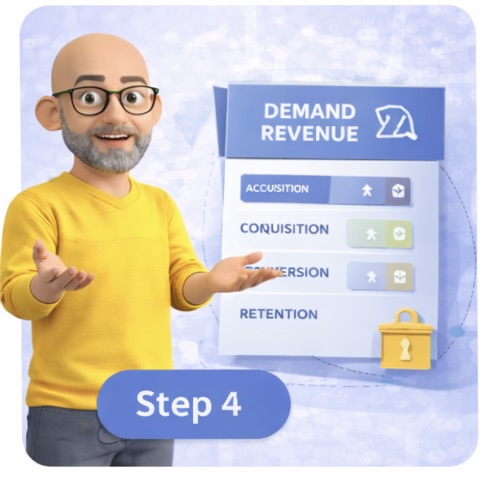
Before choosing tactics, define how demand flows:
- Acquisition: How people discover you
- Conversion: What converts interest into action
- Retention: How trust and consideration are built
Once this is clear, marketing decisions become easier. You stop forcing activity and start reinforcing the path that already makes sense for how your business grows.
Step 5: Turn the Audit into Strategy and Budget Decisions
Once the audit reveals what is happening in the business, the marketing plan can move into strategy.
This step focuses on turning insight into decisions:
- Where the marketing budget should go
- What activities should stop
- Which opportunities should be scaled
- How performance will be measured
This is where the audit becomes strategy.
Instead of reacting to marketing activity, leadership can now make clear decisions about priorities, budget allocation, and expected results.
This is what turns a marketing plan into a real management tool rather than a document that sits on a shelf.
When these decisions are based on the insights from a marketing audit, the marketing plan becomes much more effective. By following these steps, businesses can create a structured, evidence-based, and focused marketing plan that addresses real marketing problems.

Why a Great Marketing Plan Depends on a Proper Audit
A strong marketing plan is only as good as the inputs behind it.
Without a proper audit, plans tend to reinforce existing mistakes, reward activity over impact, and justify spending that should have been questioned.
The audit creates the foundation for a focused, defensible marketing plan.
Want a Marketing Plan Built by Professionals?
If your marketing feels busy but results are unclear, the first step is understanding what is really happening.
At Digital Marketing Research, we start by performing a focused marketing audit. The audit reveals what is working, what is not, and where marketing investment should go next.
From there, we help leadership teams build a clear marketing plan grounded in real data, real constraints, and real priorities.